

Why you're smarter than you think (but feel stupid)
The psychology behind imposter syndrome - and why your self-doubt is actually a sign of intelligence

Welcome to issue #16 of LYB. Each week, I break down the psychology behind why you think, act, and feel the way you do - then show you how to change it. If you’re not subscribed yet, you’re missing insights that could transform how you live.
I spent three hours yesterday helping a friend solve a complex business problem.
Broke down his entire strategy, identified the bottlenecks, gave him a step-by-step framework. He was amazed. Called me BRILLIANT.
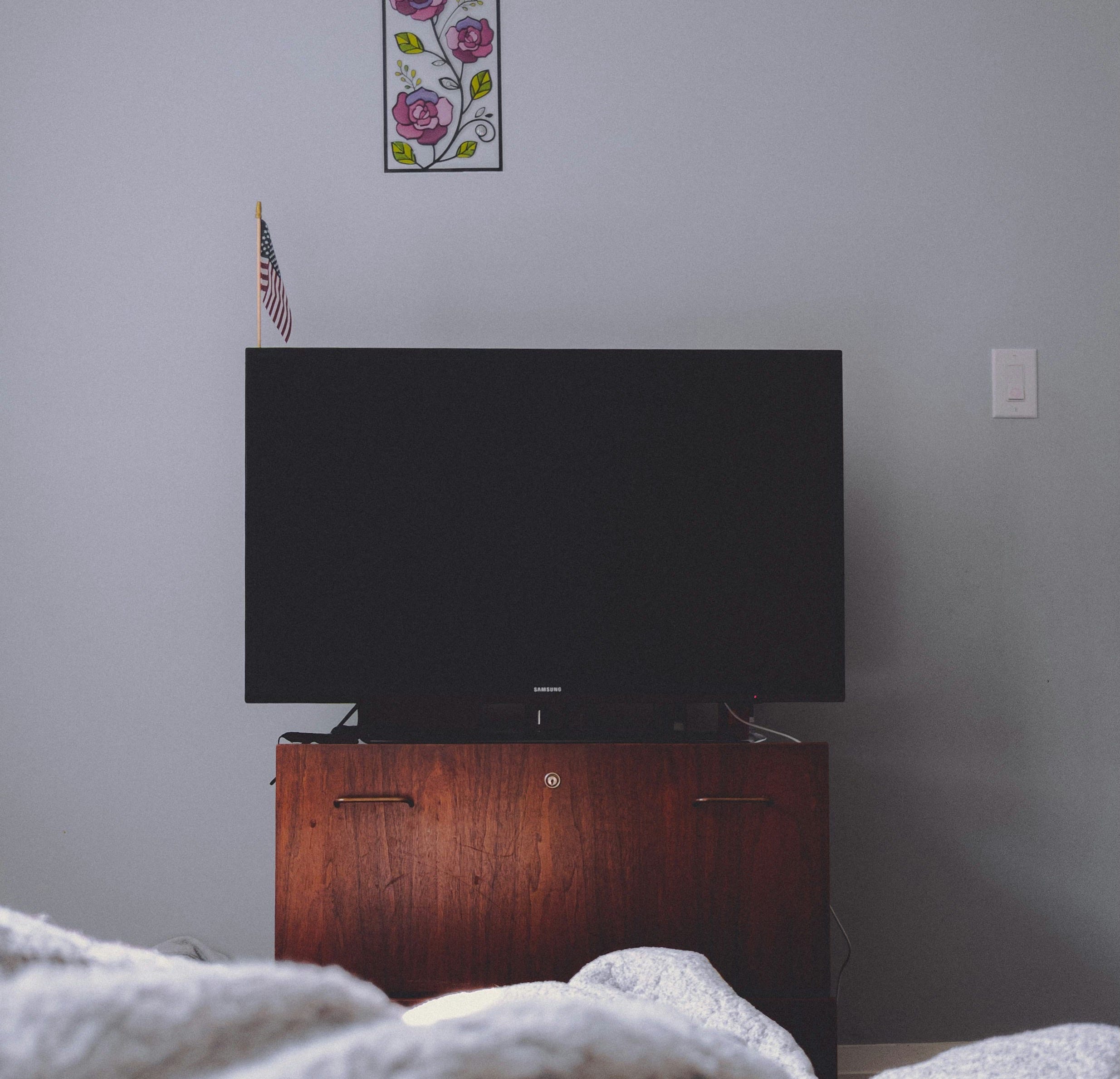
Two hours later, I couldn’t figure out how to mount a TV on my wall. Stared at the instructions for 20 minutes. Felt like an absolute idiot.
Here’s what messed with my head…
How can I solve complex strategic problems but struggle with basic assembly instructions?
Then I realized that intelligence isn’t what we think it is.
You’re probably way smarter than you give yourself credit for. But you feel stupid because you’re measuring yourself against the wrong standards, comparing yourself to the wrong people, and misunderstanding what intelligence actually means.
Here’s why you’re smarter than you think - and why smart people often feel the dumbest.
The Dunning-Kruger effect (in reverse)
You know those people who confidently talk about topics they barely understand? Who have strong opinions about everything? Who never seem to doubt themselves?
They’re not smarter than you. They’re less aware of what they don’t know.
The Dunning-Kruger effect is famous for showing how incompetent people overestimate their abilities. But here’s the flip side nobody talks about…
The more you actually know about something, the more you realize how much you don’t know.
Smart people feel stupid because their intelligence makes them aware of the vast gaps in their knowledge.
A beginner cook thinks cooking is easy. An expert chef knows the infinite complexity of techniques, ingredients, chemistry, timing. The expert feels less confident, not more.
Your self-doubt isn’t proof you’re stupid. It’s proof you’re smart enough to recognize complexity.
The person who thinks they know everything about a topic probably knows the least. You doubt yourself because you understand nuance, see multiple perspectives, and recognize exceptions to rules.
That’s not stupidity. That’s intellectual humility - a trait of actually intelligent people.
You’re comparing your internals to everyone’s externals
You experience your own struggles, doubts, confusion, and failures in real-time, in high definition, 24/7.
But you only see everyone else’s polished outputs. Their final results. Their confident presentations. Their highlight reels.
What you see in yourself:
Every mistake you make
Every concept you don’t understand immediately
Every time you need to Google something
Every moment of confusion or uncertainty
Every draft before the final version
What you see in others:
Their finished work
Their confident explanations
Their seeming expertise
Their success stories
Their final polished version
The result; You think everyone else just “gets it” while you struggle. You think their intelligence is effortless while yours requires embarrassing effort.
This is a perception problem, not an intelligence problem.
That person who seems brilliant in meetings? They spent two hours preparing. That colleague who writes perfectly? They revised it six times. That expert who speaks confidently? They doubted themselves the entire time.
You’re not dumber than them. You’re just seeing their performance and your rehearsal.
Everyone feels lost sometimes. Everyone Googles basic things. Everyone struggles with concepts before mastering them.
The difference? You’re aware of your process. They only show you their product.
Intelligence isn’t what you think it is
Here’s where most people get it wrong…
They think intelligence is about knowing facts, getting good grades, or understanding complex academic concepts.
That’s not intelligence. That’s knowledge or education.
Real intelligence shows up in…
Problem-solving; Can you figure things out when you don’t have all the information? Can you navigate uncertainty? Can you adapt when plans change?
Pattern recognition; Do you spot connections others miss? Do you see how seemingly unrelated things relate?
Emotional awareness; Can you read situations and people accurately? Do you understand motivations and dynamics that others overlook?
Learning speed; When you encounter something new, how quickly can you grasp the fundamentals and apply them?
Creative thinking; Can you generate ideas, see possibilities, imagine alternatives?
You might not ace standardized tests. You might not have impressive credentials. You might forget basic facts.
But if you can solve real-world problems, understand people, learn quickly, and think creatively? You’re intelligent.
Stop measuring your intelligence by academic standards. Measure it by how effectively you navigate actual life.
The reframe
The moment everything changed for me was when I stopped asking “Am I smart?” and started asking “How am I smart?”
Everyone has intelligence in different domains.
Some people are brilliant with numbers but terrible with emotions. Some people are creative geniuses but can’t organize their lives. Some people are strategic masterminds but struggle with execution. Some people are incredible with people but lost with technology.
Your intelligence profile is unique.
You’re probably exceptionally good at 2-3 things while average or below average at others. That’s normal.
Start recognizing where you actually excel.
When do people come to you for help? What problems do you solve that others can’t? What feels easy to you but hard for others? What do you understand intuitively that others need explained?
Those are your intelligence zones.
Stop beating yourself up for not being good at everything. Nobody is.
What to do with this knowledge
Here’s what changes when you understand you’re smarter than you think:
A. Stop apologizing for asking questions. Questions aren’t signs of stupidity. They’re signs of intellectual curiosity. Dumb people don’t ask questions because they don’t know what they don’t know.
B. Trust your perspective. Your doubts and nuanced thinking aren’t weaknesses. They’re sophisticated analysis. Simple answers to complex problems are usually wrong.
C. Own your strengths. Whatever you’re good at - even if it seems “not impressive” - is valuable. Strategy, empathy, creativity, execution, teaching, connecting ideas - all forms of intelligence.
D. Stop comparing your chapter 3 to someone else’s chapter 20. Everyone’s timeline is different. You’re not behind. You’re on your own path.
E. Redefine “smart.” It’s not about credentials or quick answers. It’s about how you think, solve problems, and adapt. And you do that better than you realize.
The smartest people I know doubt themselves constantly.
They question their assumptions. They see complexity everywhere. They know how much they don’t know. They feel like imposters even when they’re experts.
The dumbest people I know are confidently wrong about everything.
They never question themselves. They see everything as simple. They think they know it all. They never feel like imposters because they’re not self-aware enough.
Your self-doubt isn’t proof you’re stupid. It’s proof you’re paying attention.
You’re intelligent enough to recognize your limitations. That’s rare.
Most people live in a bubble of overconfidence, unaware of how little they actually understand.
You’re not in that bubble. Which means you’re already ahead of most people.
Stop measuring your intelligence by how confident you feel. Confidence and competence aren’t the same thing.
Measure it by how well you navigate complexity, solve real problems, and keep learning despite uncertainty.
Keep thinking (you’re better at it than you know).
-Dan
P.S. I’d love to hear from you…
What’s one thing you’re actually brilliant at but constantly downplay? And what made you feel stupid this week even though you’re clearly not? Hit comment and tell me - I read every response.
Sometimes the best reminder that we’re smarter than we think comes from hearing other people’s stories.
I love this perspective and mindset shift 👏🏽
This looks really interesting!! Saved to read later <3